‘Schönes Tor’
Relocation and restoration
‘… weitaus die edelste Portalcomposition der ganzen deutschen Renaissance’
This quote translates to: …by far the finest portal composition of the entire German Renaissance
Wilhelm Lübke: Geschichte der deutschen Renaissance, Stuttgart 1872
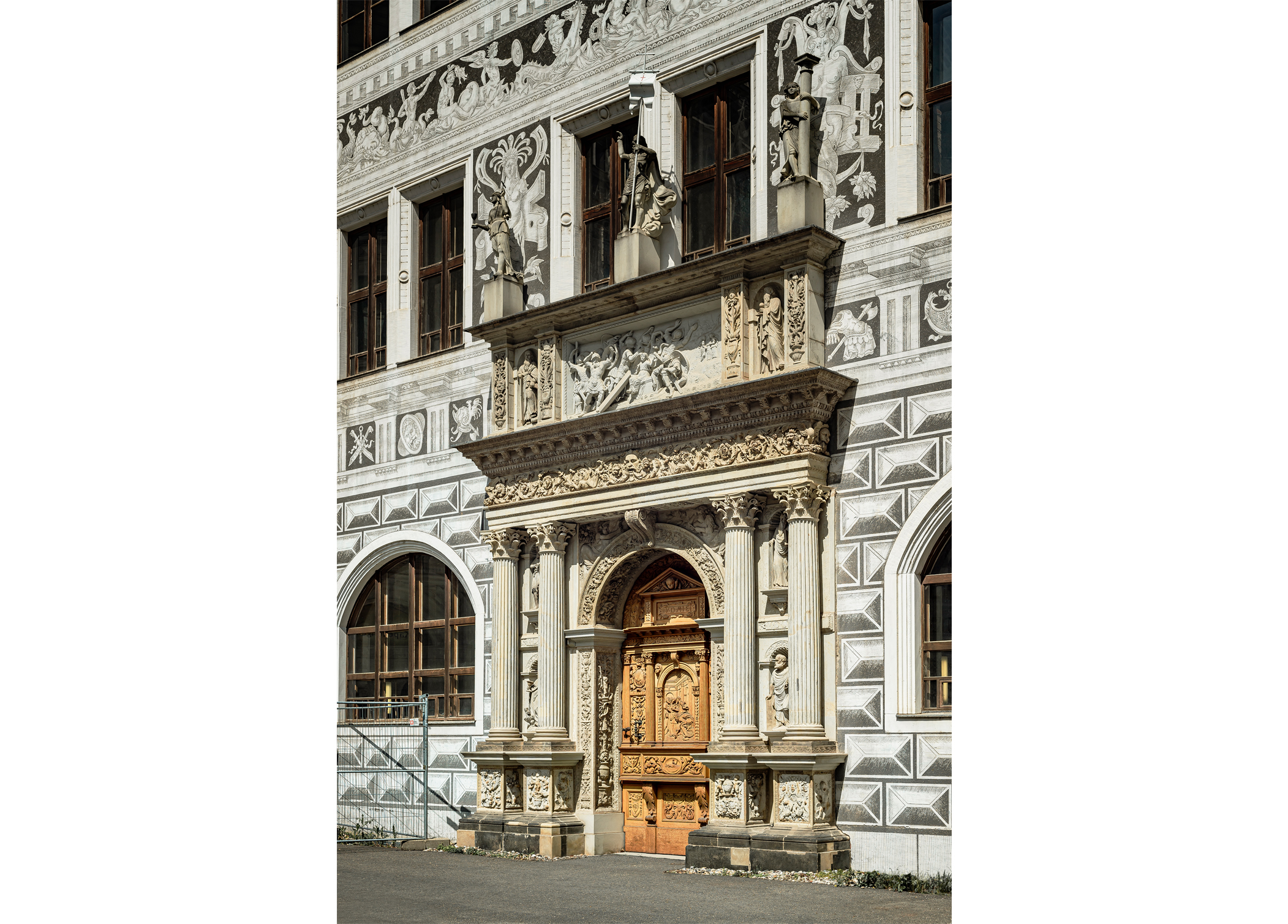
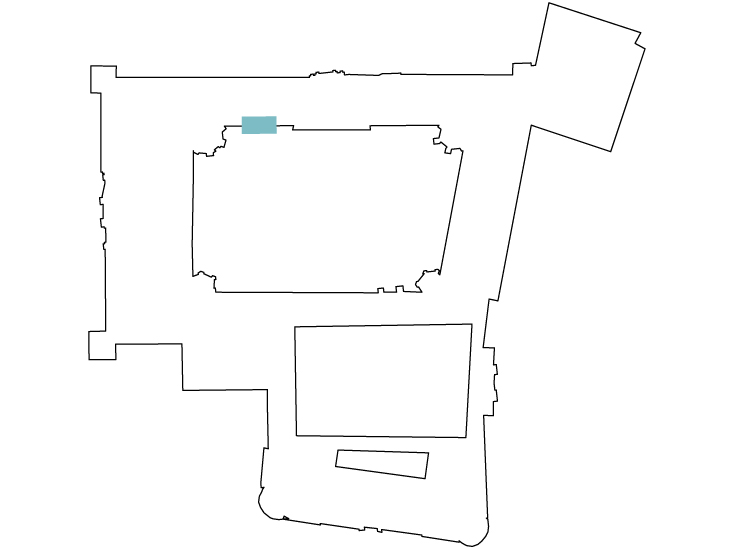
Following extensive conservation and restoration work, the completed portal has been on public display for the first time since August 2009 at its original location in the courtyard of Dresden Palace.
‘Schönes Tor’
Relocation and restoration
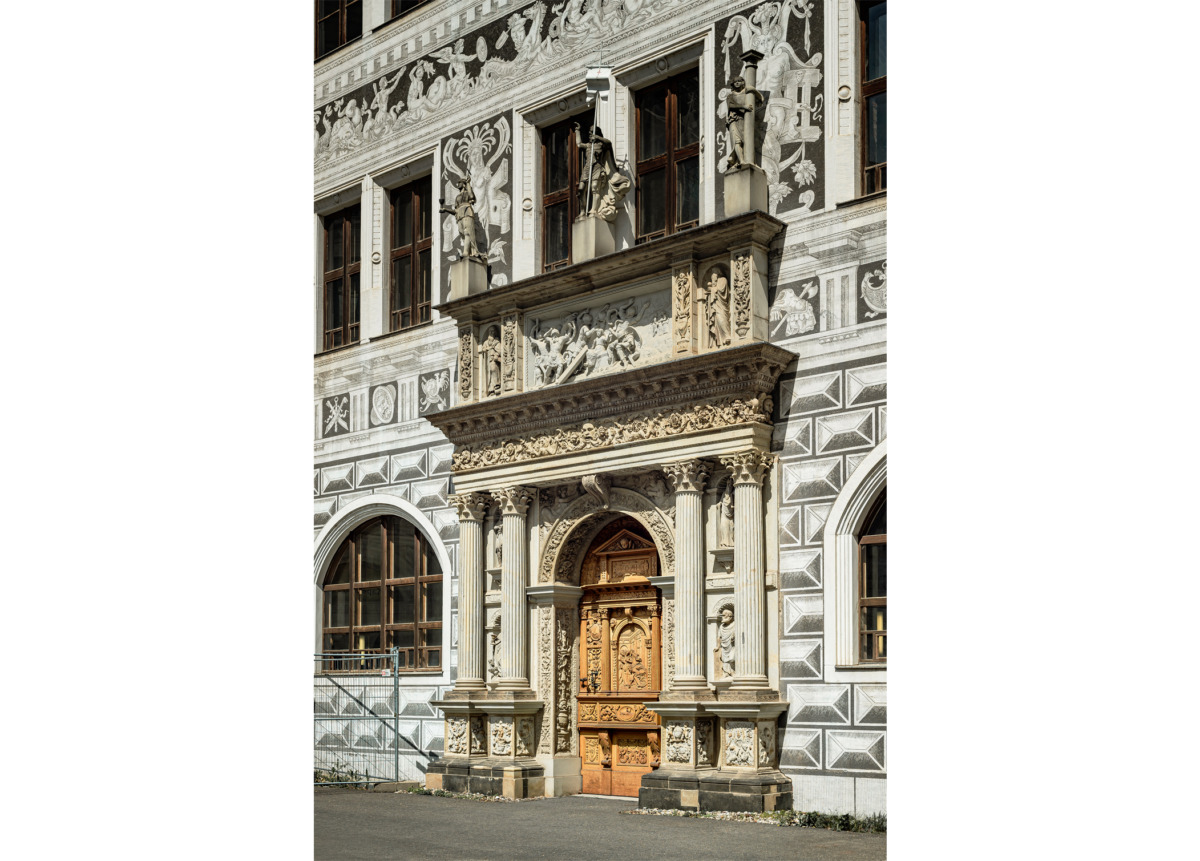
The portal of the former castle chapel is a Renaissance work of art of European significance.
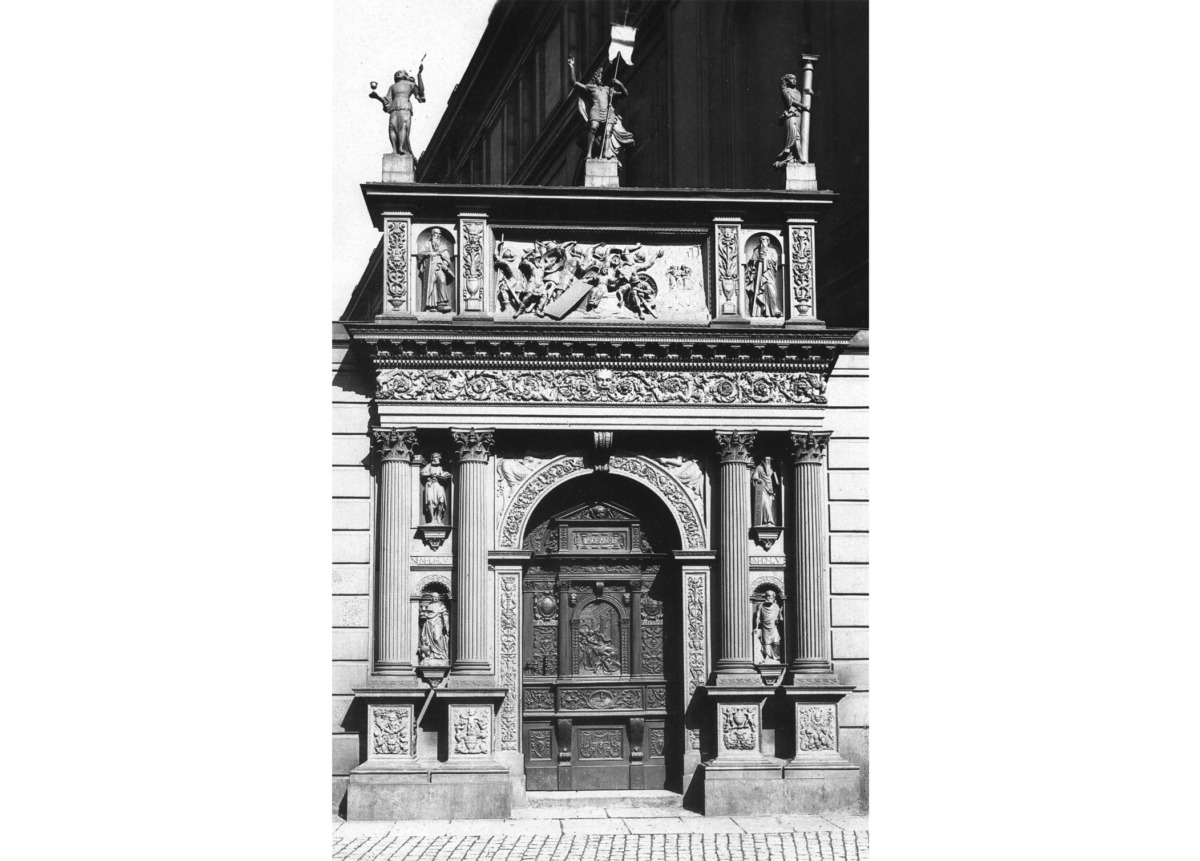
Following the closure of the castle chapel, its dismantling in 1738 marked the beginning of an odyssey for the portal, taking it via St Sophia’s Church and the Great Garden, until it arrived at the Johanneum in 1872.
There, the ‘Beautiful Gate’, made of Cotta sandstone, was in a state of disrepair until it was dismantled and restoration work began in 2004.
Its reconstruction in the castle courtyard began in 2007 as part of archaeological excavations in front of the castle chapel.
around 1900 at the Johanneum
‘Schönes Tor’
Relocation and restoration
The focus and basis of the restoration work was the careful removal of the layers of oil paint from the portal, whilst preserving the original material, as a foundation for all subsequent steps. In particularly delicate areas with fine sculptural detail, such as the ornamental decoration on the door frame, the layers of oil paint were removed using an Nd:YAG laser.
This work was preceded by extensive studies into the various options for the installation.
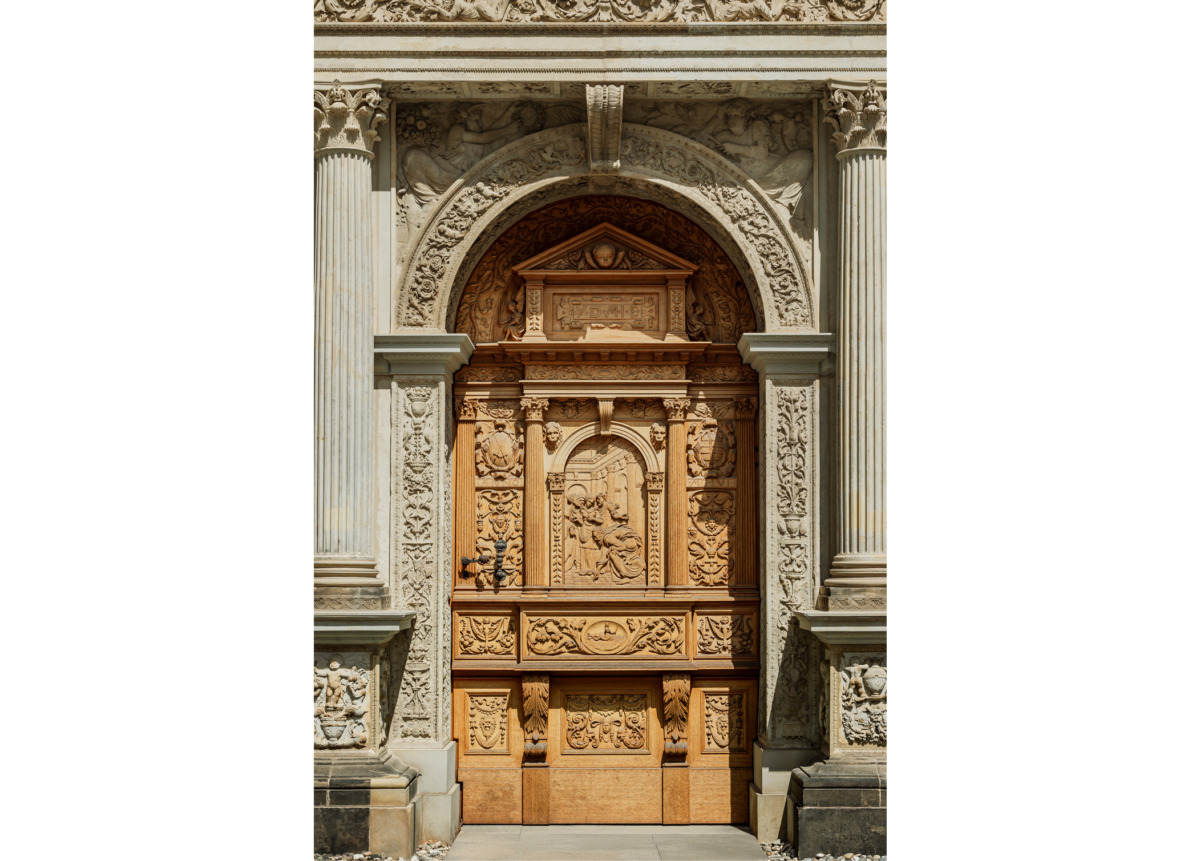
The decision was made to return the portal to its original location, without a protective structure, with the figures on top.
2020 in the Grand Courtyard
‘Schönes Tor’
Relocation and restoration
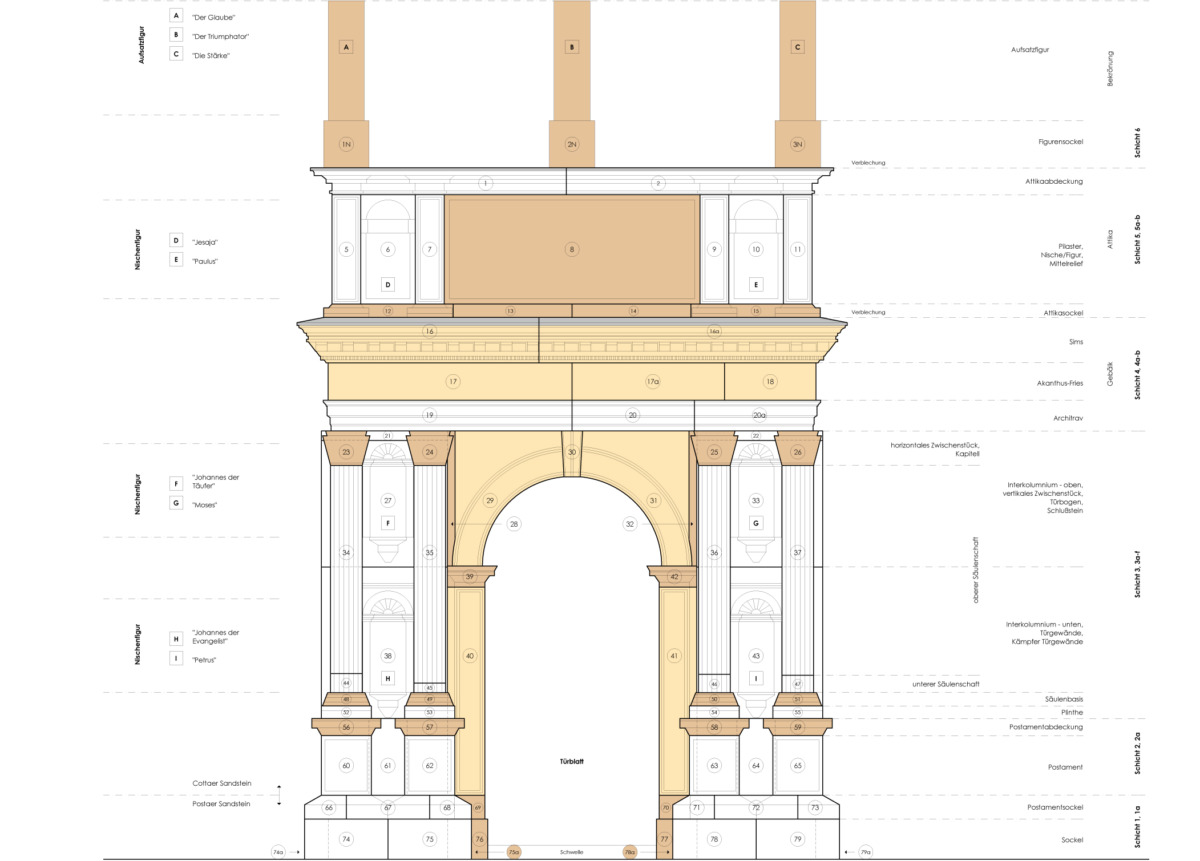
Erecting the gate at its original location without a protective structure involved producing copies of particularly vulnerable stone elements (the archway and the central relief) and recreating missing figures (the figures on the attic) based on models. However, the proportion of original material predominates. In particular, the figures in the niches are still the original Renaissance figures from the 16th century.
The original parts that were not used – including the almost 460-year-old carved wooden door – are intended for display in a museum.
wall fountain
Relocation and restoration
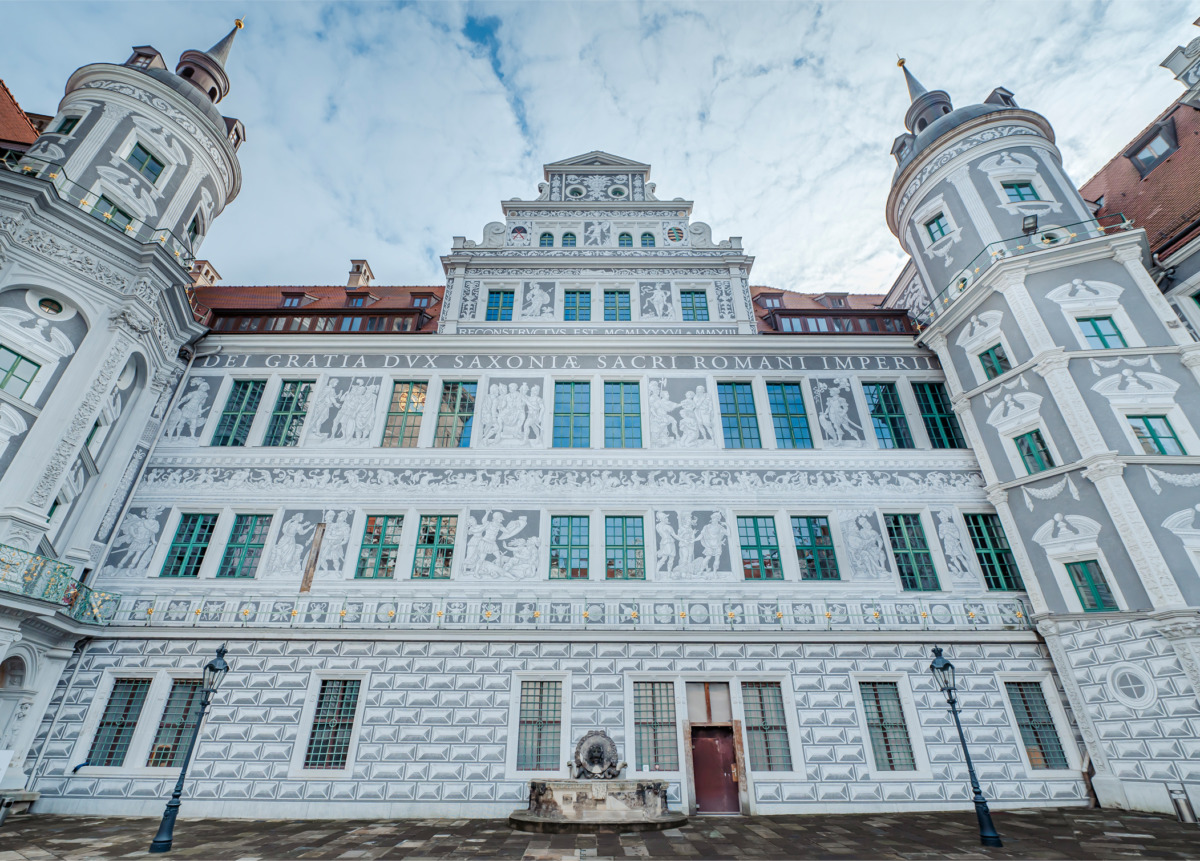
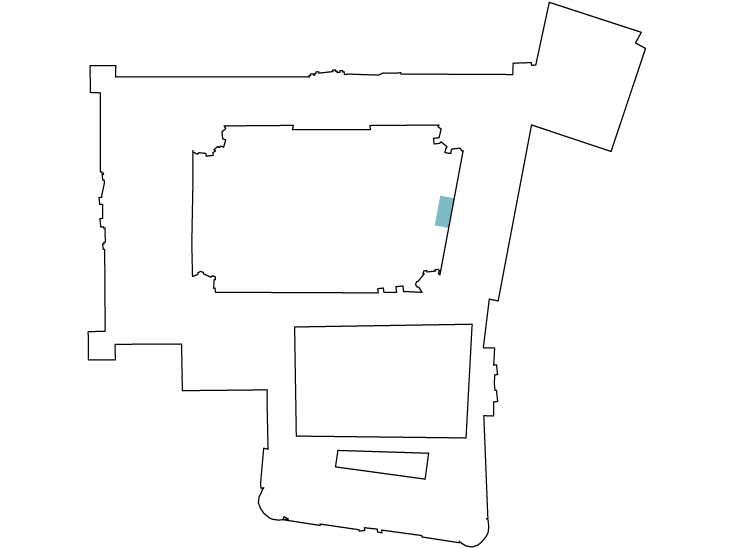
The wall fountain, which had previously stood in front of the east wing, was reinstalled in its original location as part of the restoration of the outdoor areas in the Grand Courtyard.
client
Freistaat Sachsen, SIB NL DD 1
project period
2017 – 2020
scope of services
service phases 1 – 8
wall fountain
Relocation and restoration
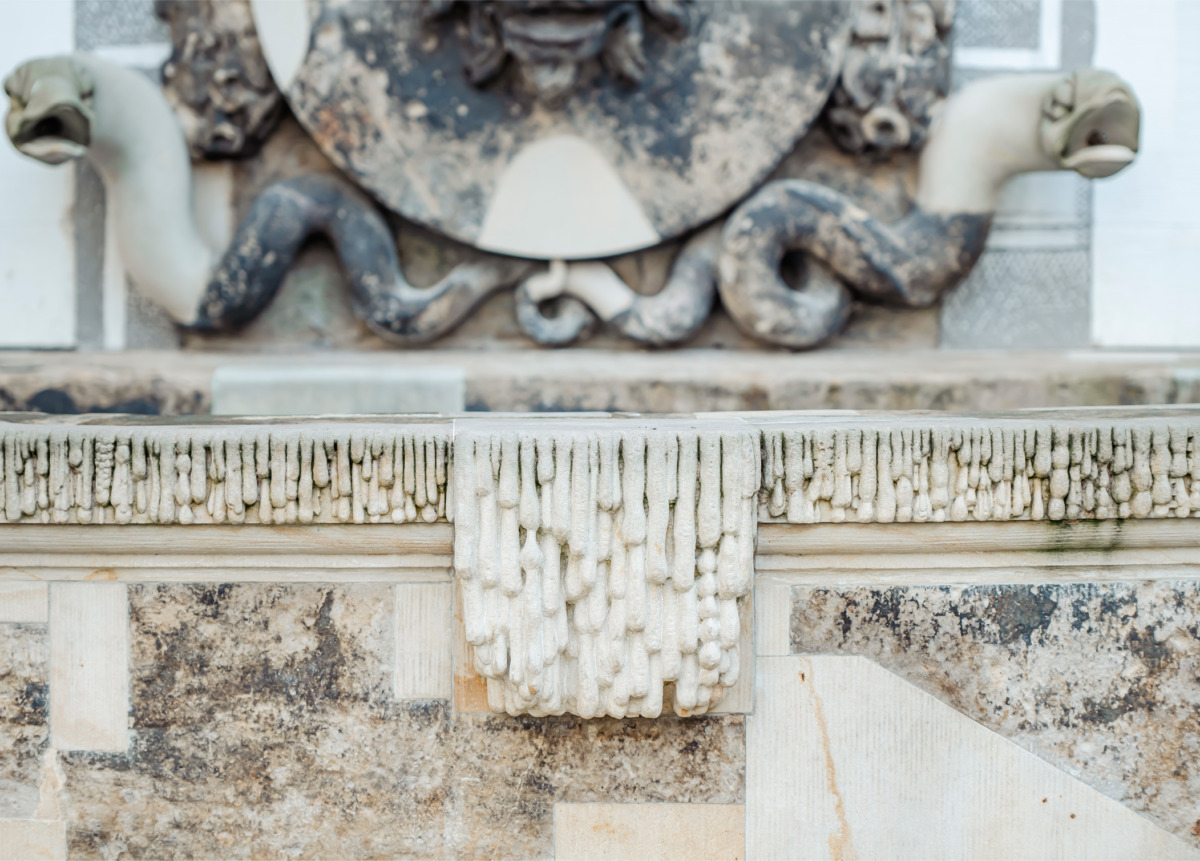
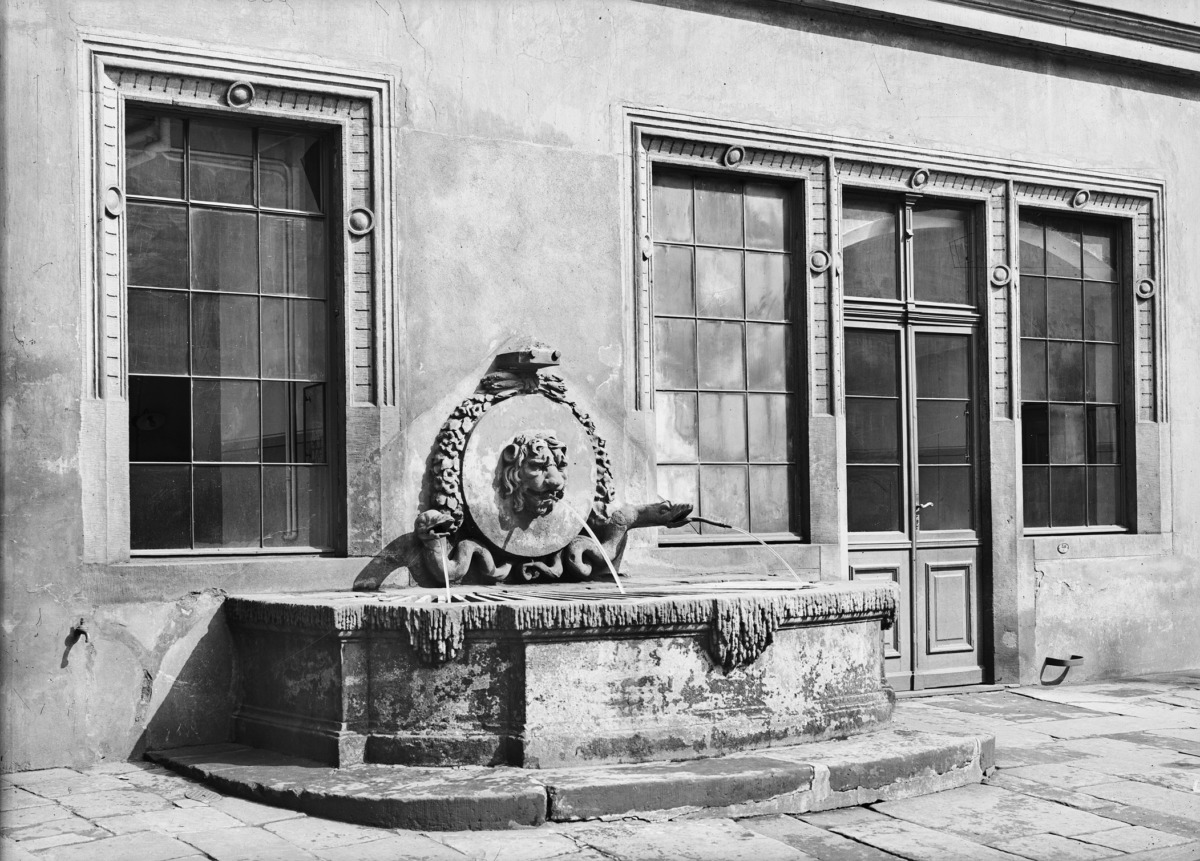
The sandstone trough, crafted in 1786, was made from a single piece (monolith).
Although the fountain remained largely intact during the bombing raids on Dresden in 1945, it fell into disrepair at an alarming rate in the years that followed.
The start of the castle’s reconstruction in the 1980s initially involved dismantling the fountain. The spout was stored separately during this process. The fountain trough was evidently too heavy to be removed and, according to oral tradition, was buried in the castle courtyard.
When it was excavated from the ground in the recent past, almost the entire front section broke away.
The 12-tonne fountain basin was returned to its original location in 2019.
wall fountain
Relocation and restoration
The aim of the restoration was to preserve and reuse as much of the original material as possible.
Once the recovered fragments of the front façade had been joined together and fitted into place, damaged areas were repaired using new sections (joints).
The serpentine gargoyles on the spout plate above the trough were only preserved in fragments. The sculptural reconstruction was carried out in close consultation with the heritage conservation authorities, taking into account hydraulic requirements.
To ensure it was fully functional as a wall fountain, the trough was fitted with a lead lining and a grating cover.